


“Closest formulation evidence: a hydroxyphenoxy propionic acid + ellagic acid + yeast extract + salicylic acid cosmetic regimen improved skin lightening/tolerability in moderate hyperpigmentation and dark spots.”

Developed as a replacement for hydroquinone, Hydro-White™ has a structure similar to hydroquinone linked to propionic acid. Its mechanism of action differs from most whitening agents; Hydro-White™ works by inhibiting the release of melanin by melanocytes.
Hydro-White™ (hydroxyphenoxy propionic acid) was developed as a replacement for hydroquinone. Its structure is similar to hydroquinone combined with propionic acid. The image below compares the structures of hydroquinone and Hydro-White™.
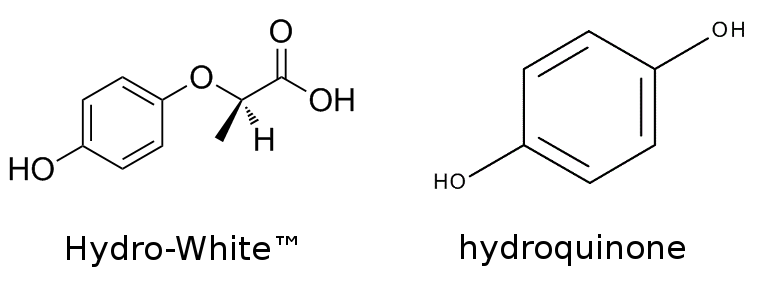
Hydroquinone It is a skin whitening agent that is not permitted in cosmetics worldwide, except in the United States, due to side effects and potential long-term skin damage.
Hydro-White™ is notable for its global use in cosmetics (except in China) and its popularity in combination with other whitening agents. This is because its mechanism of action differs from most whitening agents . Hydro-White™ works by inhibiting tyrosinase, unlike most whitening agents, but rather by inhibiting the release of melanin by melanocytes.
Pure, single-molecule substances with a molecular size of just 182.2 Da can penetrate deep into the skin to address skin pigmentation problems at their source. They not only inhibit melanin production but also block the transport of melanin pigment to the upper layers of skin cells.
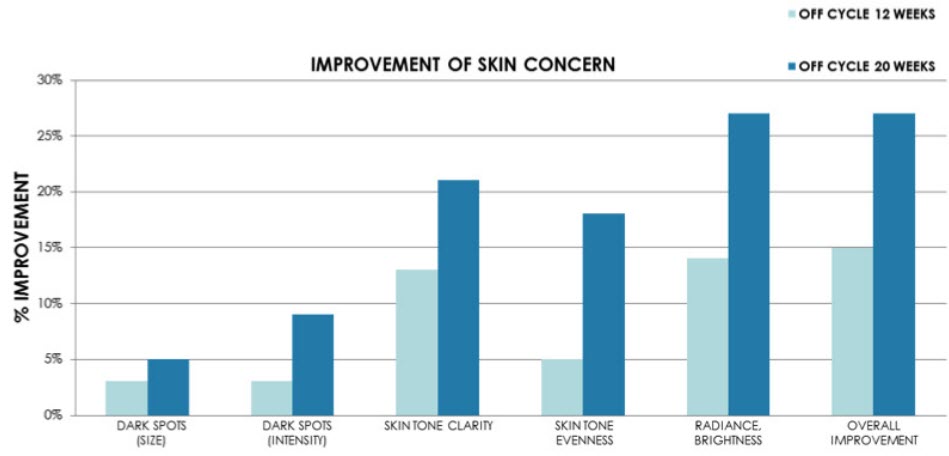
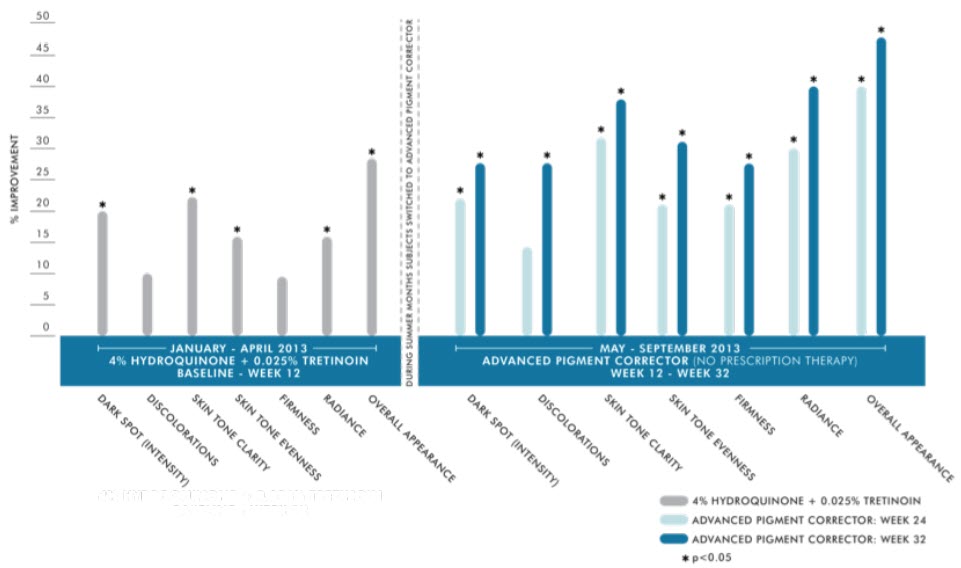
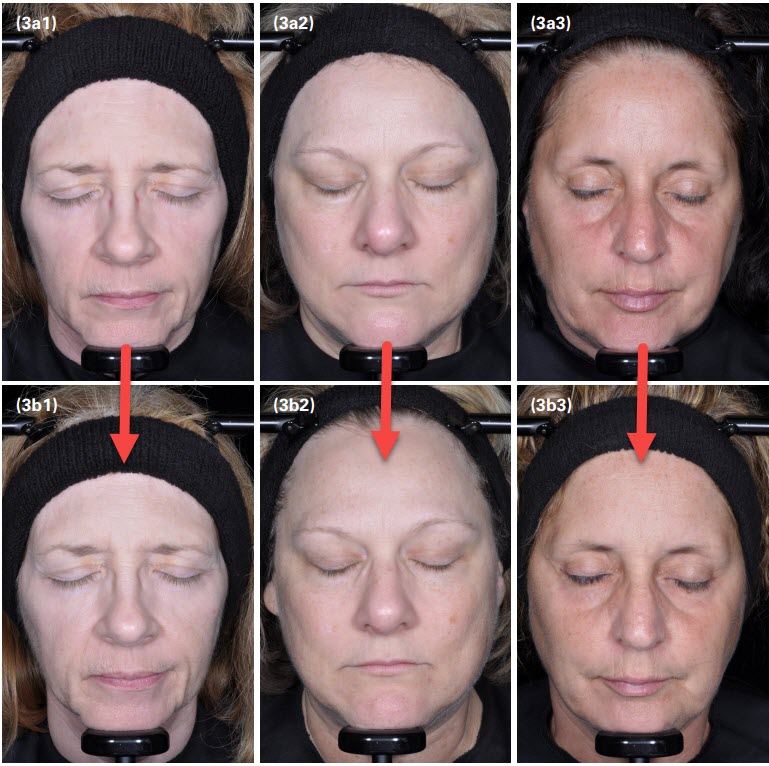
Clinical tests (A Method for Maintaining the Clinical Results of 4% Hydroquinone and 0.025% Tretinoin With a Cosmeceutical Formulation, Journal of Drugs in Dermatology, V14 Issue 4 April 2015) showed that hydroxyphenoxypropionic acid has a good whitening effect on the skin (based on tests using...). hydroxyphenoxy propionic acid + ellagic acid + yeast extract + salicylic acid)
When comparing the results of using hydroxyphenoxy propionic acid in combination with other whitening agents over an 8-week period, and after discontinuing hydroquinone + tretinoin for 12 weeks, users reported a significant improvement in skin brightening after continuing use of hydroxyphenoxy propionic acid for another 8 weeks.
Usage rate: 1%
Product characteristics: White/light-colored (beige) powder.
Solubility: Soluble in water (heating to 60-80 degrees Celsius accelerates dissolution). The formulation should include 1% ActiveProtec OX to help prevent discoloration.
INCI Name : Hydroxyphenoxy propionic acid
Examples of products that use hydroxyphenoxy propionic acid.
SkinCeuticals Advanced Pigment Corrector
LANCOME DreamTone Ultimate Dark Spot Corrector
Clarins Double Serum Complete Age Control Concentrate
Hylamide Booster C25
NeoStrata SecureWhite
RADIANSKIN PW LS 9918
| Test Name | Specification |
|---|---|
| Organoleptic Characteristics | Conforms to standard |
| Water Content, Karl Fischer | 1.0% Max |
| Infra-red Spectrum | Conforms to standard |
| Melting Point (C) | 143.0-148.0 |
| Hydroxyphenoxypropionic Acid (HPLC) | 98.0% Min |
| scienceLab Service | Price |
|---|---|
open_in_newSSpectrophotometric Determination of Hydro-white (Hydroquinone Replacer)Measurement of Hydroxyphenoxy propionic acid Content in finished product | ฿ 2,990.00 |
฿ 2,990.00 |
No products
Developed as a replacement for hydroquinone, Hydro-White™ has a structure similar to hydroquinone linked to propionic acid. Its mechanism of action differs from most whitening agents; Hydro-White™ works by inhibiting the release of melanin by melanocytes.
Hydro-White™ (hydroxyphenoxy propionic acid) was developed as a replacement for hydroquinone. Its structure is similar to hydroquinone combined with propionic acid. The image below compares the structures of hydroquinone and Hydro-White™.
Hydroquinone It is a skin whitening agent that is not permitted in cosmetics worldwide, except in the United States, due to side effects and potential long-term skin damage.
Hydro-White™ is notable for its global use in cosmetics (except in China) and its popularity in combination with other whitening agents. This is because its mechanism of action differs from most whitening agents . Hydro-White™ works by inhibiting tyrosinase, unlike most whitening agents, but rather by inhibiting the release of melanin by melanocytes.
Pure, single-molecule substances with a molecular size of just 182.2 Da can penetrate deep into the skin to address skin pigmentation problems at their source. They not only inhibit melanin production but also block the transport of melanin pigment to the upper layers of skin cells.
Clinical tests (A Method for Maintaining the Clinical Results of 4% Hydroquinone and 0.025% Tretinoin With a Cosmeceutical Formulation, Journal of Drugs in Dermatology, V14 Issue 4 April 2015) showed that hydroxyphenoxypropionic acid has a good whitening effect on the skin (based on tests using...). hydroxyphenoxy propionic acid + ellagic acid + yeast extract + salicylic acid)
When comparing the results of using hydroxyphenoxy propionic acid in combination with other whitening agents over an 8-week period, and after discontinuing hydroquinone + tretinoin for 12 weeks, users reported a significant improvement in skin brightening after continuing use of hydroxyphenoxy propionic acid for another 8 weeks.
Usage rate: 1%
Product characteristics: White/light-colored (beige) powder.
Solubility: Soluble in water (heating to 60-80 degrees Celsius accelerates dissolution). The formulation should include 1% ActiveProtec OX to help prevent discoloration.
INCI Name : Hydroxyphenoxy propionic acid
Examples of products that use hydroxyphenoxy propionic acid.
SkinCeuticals Advanced Pigment Corrector
LANCOME DreamTone Ultimate Dark Spot Corrector
Clarins Double Serum Complete Age Control Concentrate
Hylamide Booster C25
NeoStrata SecureWhite
RADIANSKIN PW LS 9918
| Mechanism | - |
| Appearance | - |
| Longevity | - |
| Strength | - |
| Storage | - |
| Shelf Life | - |
| Allergen(s) | - |
| Dosage (Range) | - |
| Recommended Dosage | - |
| Dosage (Per Day) | - |
| Recommended Dosage (Per Day) | - |
| Mix Method | - |
| Heat Resistance | - |
| Stable in pH range | - |
| Solubility | - |
| Product Types | - |
| INCI | - |