


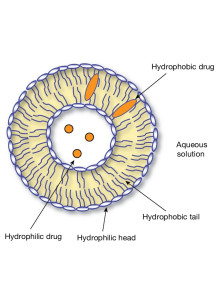
Phosphatidylcholine (PC) is a major membrane phospholipid involved in bile and lipoprotein lipid transport; this product is a soy extract standardized to 90% PC.
Soy Extract standardized to Phosphatidylcholine (PC) 90% is a soy‑derived glycerophospholipid and a major constituent of mammalian membranes. In physiology, PC supports membrane structure and lipid transport (e.g., bile mixed micelles and hepatic VLDL assembly), and it also serves as an important choline reservoir.
Specification: This product is a 90% phosphatidylcholine grade.
| Test Name | Specification |
|---|---|
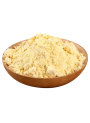
| Appearance | Yellow to brown semi-solid or lump |
| Phosphatidylcholine | 90% Min |
| Phosphorus | 2.7% Min |
| Nitrogen | 1.5-2.0% |
| Acid Value | 30 Max |
| Iodine Value | 75 Min |
| Peroxide Value | 5 Max |
| Acetone Insoluble | 90% Min |
| Toluene Insoluble | 0.3% Max |
| Water | 1.5% Max |
| Heavy Metals | 20ppm Max |
| Arsenic | 2ppm Max |
| Organic Solvent Residues: Ethanol | 0.5% Max |
| Organic Solvent Residues: Acetone | 0.5% Max |
| Organic Solvent Residues: Dichloromethane | 0.06% Max |
| Other impurities: Lysophosphatidylethanolamine | 0.5% Max |
| Other impurities: Lysophosphatidylcholine | 3.5% Max |
No products
Phosphatidylcholine (PC) is a major membrane phospholipid involved in bile and lipoprotein lipid transport; this product is a soy extract standardized to 90% PC.
Soy Extract standardized to Phosphatidylcholine (PC) 90% is a soy‑derived glycerophospholipid and a major constituent of mammalian membranes. In physiology, PC supports membrane structure and lipid transport (e.g., bile mixed micelles and hepatic VLDL assembly), and it also serves as an important choline reservoir.
Specification: This product is a 90% phosphatidylcholine grade.
| Mechanism | - |
| Appearance | - |
| Longevity | - |
| Strength | - |
| Storage | - |
| Shelf Life | - |
| Allergen(s) | - |
| Dosage (Range) | - |
| Recommended Dosage | - |
| Dosage (Per Day) | - |
| Recommended Dosage (Per Day) | - |
| Mix Method | - |
| Heat Resistance | - |
| Stable in pH range | - |
| Solubility | - |
| Product Types | - |
| INCI | - |