


“Direct cosmetic-formulation evidence: octyldodecanol was evaluated as an emollient with measurable spreading/sensory-related properties supporting slip and spreadability claims.”
Octyldodecanol is a low-odor emollient and oil-phase solvent that improves slip/spreadability and helps dissolve oil-soluble materials in creams, sunscreens, and color cosmetics.
Special Grade: Nearly Colorless
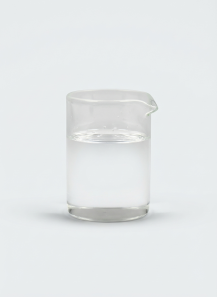
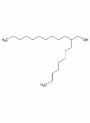
Octyldodecanol is a long-chain fatty alcohol used as an emollient and solvent/carrier in cosmetic formulas. It is a clear, colorless to nearly colorless, low-odor liquid and is commonly derived from palm kernel or coconut sources.
Special Grade: Nearly Colorless
In finished formulas it improves spreadability and after-feel (more slip, less drag), and it can help dissolve oil-soluble materials such as fragrance components and some actives.
Because it is low-polar and water-insoluble but oil-soluble, it behaves as an oil-phase material in emulsions and anhydrous systems; suppliers also describe it as stable to hydrolysis and usable across a wide pH range (commonly cited ~pH 3-10).
Product Description:
- Functional roles: emollient/slip agent; solvent/carrier for oil-soluble ingredients; low-odor perfuming support.
- Typical applications: skin care, sun care, and color cosmetics (creams/lotions, sunscreens, foundations, lipsticks, balms/sticks).
- In color cosmetics it can help wet pigments and improve glide when paired with waxes, esters, and/or film formers.
- In sunscreens it can improve skin feel and help keep oil-soluble ingredients evenly distributed in the oil phase.
- Some supplier notes mention it as a solvent option for salicylic acid; confirm solubility and run crystallization/stability checks in the full formula.
- Safety snapshot (CIR Cosmetic Ingredient Review): Octyldodecanol was concluded safe as currently used in cosmetics, with low irritation/sensitization potential reported in human testing and negative phototoxicity/photosensitization findings for products containing these alcohols.
- Practical lab tips: ladder 2%, 5%, 10% to tune sensory; run freeze-thaw and long-term stability (phase separation in emulsions; sweating or crystallization in sticks/balms); monitor odor, color, and purity for fragrance- or pigment-sensitive formulas.
Usage: Suitable for skin care, sun care, and color cosmetics where improved slip/spread and oil-phase solvency are desired.
Mixing method:
- Add to the oil phase (O/W or W/O emulsions) and heat with oils/waxes as required by your system.
- Treat as an oil-phase ingredient in anhydrous systems; it can also be used to pre-dissolve oil-soluble materials before emulsification.
- Compatible over a wide pH range (commonly cited ~pH 3-10); verify overall formula stability and compatibility.
Usage rate: 2-20%
Supplier guidance commonly suggests ~2-20% depending on product type and sensorial target. Historical industry-use ranges reported by CIR span from <0.1% up to >50% across product categories (higher levels are typically for anhydrous sticks/balms).
Product characteristics: Clear, colorless to nearly colorless liquid, low-odor/odorless
Solubility: Water-insoluble; miscible in alcohol and soluble in oils/paraffinic oils
Storage: Store tightly closed at room temperature, protected from heat and direct sunlight. Maintain good hygiene to avoid contamination.
INCI Name: Octyldodecanol
| Test Name | Specification |
|---|---|
| CONTENT OF I-C 20-OH (%) | - |
| COLOUR (HAZEN) | - |
| ESTER NO. (mgKOH/g) | - |
| ACID NO. (mgKOH/g) | 0.00-0.10 |
| WATER (%) | - |
| IODINE NO. (mgl/100mg) | 0.0-8.0 |
| DENSITY (20C) (g/ml) | 0.835-0.845 |
No products
Octyldodecanol is a low-odor emollient and oil-phase solvent that improves slip/spreadability and helps dissolve oil-soluble materials in creams, sunscreens, and color cosmetics.
Special Grade: Nearly Colorless
Octyldodecanol is a long-chain fatty alcohol used as an emollient and solvent/carrier in cosmetic formulas. It is a clear, colorless to nearly colorless, low-odor liquid and is commonly derived from palm kernel or coconut sources.
Special Grade: Nearly Colorless
In finished formulas it improves spreadability and after-feel (more slip, less drag), and it can help dissolve oil-soluble materials such as fragrance components and some actives.
Because it is low-polar and water-insoluble but oil-soluble, it behaves as an oil-phase material in emulsions and anhydrous systems; suppliers also describe it as stable to hydrolysis and usable across a wide pH range (commonly cited ~pH 3-10).
Product Description:
- Functional roles: emollient/slip agent; solvent/carrier for oil-soluble ingredients; low-odor perfuming support.
- Typical applications: skin care, sun care, and color cosmetics (creams/lotions, sunscreens, foundations, lipsticks, balms/sticks).
- In color cosmetics it can help wet pigments and improve glide when paired with waxes, esters, and/or film formers.
- In sunscreens it can improve skin feel and help keep oil-soluble ingredients evenly distributed in the oil phase.
- Some supplier notes mention it as a solvent option for salicylic acid; confirm solubility and run crystallization/stability checks in the full formula.
- Safety snapshot (CIR Cosmetic Ingredient Review): Octyldodecanol was concluded safe as currently used in cosmetics, with low irritation/sensitization potential reported in human testing and negative phototoxicity/photosensitization findings for products containing these alcohols.
- Practical lab tips: ladder 2%, 5%, 10% to tune sensory; run freeze-thaw and long-term stability (phase separation in emulsions; sweating or crystallization in sticks/balms); monitor odor, color, and purity for fragrance- or pigment-sensitive formulas.
Usage: Suitable for skin care, sun care, and color cosmetics where improved slip/spread and oil-phase solvency are desired.
Mixing method:
- Add to the oil phase (O/W or W/O emulsions) and heat with oils/waxes as required by your system.
- Treat as an oil-phase ingredient in anhydrous systems; it can also be used to pre-dissolve oil-soluble materials before emulsification.
- Compatible over a wide pH range (commonly cited ~pH 3-10); verify overall formula stability and compatibility.
Usage rate: 2-20%
Supplier guidance commonly suggests ~2-20% depending on product type and sensorial target. Historical industry-use ranges reported by CIR span from <0.1% up to >50% across product categories (higher levels are typically for anhydrous sticks/balms).
Product characteristics: Clear, colorless to nearly colorless liquid, low-odor/odorless
Solubility: Water-insoluble; miscible in alcohol and soluble in oils/paraffinic oils
Storage: Store tightly closed at room temperature, protected from heat and direct sunlight. Maintain good hygiene to avoid contamination.
INCI Name: Octyldodecanol
| Mechanism | - |
| Appearance | - |
| Longevity | - |
| Strength | - |
| Long-term storage | - |
| Shelf Life | - |
| Allergen(s) | - |
| Dosage (Range) | - |
| Recommended Dosage | - |
| Dosage (Per Day) | - |
| Recommended Dosage (Per Day) | - |
| Mix Method | - |
| Heat Resistance | - |
| Stable in pH range | - |
| Solubility | - |
| Product Types | - |
| INCI | - |