


“Exact Polyquaternium-10 mechanism evidence: PQ-10 interacts with sodium dodecyl sulfate, supporting its use in rinse-off surfactant systems where polymer-surfactant complexation may improve mildness and sensory feel.”
Extra-clear Polyquaternium-10 grade for transparent surfactant systems, providing conditioning and mild viscosity build with better finished-formula clarity than the standard 400 mPa.s grade in many systems.
Suitable for silicone-free shampoo, facial cleanser, body wash, and other clear rinse-off formulas that need conditioning without sacrificing transparency.
Poly-Conditioner Pro (400 mPa.s Extra Clear) is a Polyquaternium-10 conditioning polymer selected for surfactant systems that need both conditioning deposition and a clearer finished appearance.
This grade is intended for transparent or translucent shampoo, facial cleanser, body wash, and other rinse-off systems where standard cationic cellulose can sometimes add haze. In practice, clarity still depends on the surfactant blend, electrolyte level, fragrance, pearlizer load, and final pH, but this variant is designed for better visual transparency with many common surfactant systems.
Use this grade when formulation clarity is part of the product concept. If transparency is not critical, Poly-Conditioner Pro (400 mPa.s) is usually the more economical alternative.
Related grade
For opaque or non-clear systems, the standard Poly-Conditioner Pro (400 mPa.s) can be used when a lower-cost option is preferred.
Product Description: As a cationic cellulose polymer, Polyquaternium-10 helps improve wet combing, slip, softness, and conditioned feel while also contributing some viscosity build and foam sensory improvement in surfactant systems.
The Extra Clear grade is especially useful when the finished product must remain visually transparent after polymer addition. It is typically considered for clear shampoo, clear conditioning shampoo, transparent body wash, mild facial cleanser, and other surfactant-based rinse-off formulas where both conditioning and clarity matter.
Best clarity is usually obtained by dissolving the polymer fully before combining with the main surfactant base, then checking compatibility after salt adjustment, fragrance addition, and pH correction. High electrolyte loading, opacifiers, heavy oils, or incompatible surfactant ratios can still reduce clarity, so bench testing remains necessary.
The 400 mPa.s viscosity grade gives a lighter rheology contribution than higher-viscosity Poly-Conditioner Pro grades, making it suitable when the formulator wants conditioning with controlled viscosity build rather than strong thickening from the polymer alone.
Usage: Suitable for clear shampoo, silicone-free shampoo, clear body wash, facial cleanser, micellar-like rinse-off cleanser, and other surfactant systems that need conditioning while keeping a transparent appearance.
Mixing method:
- Sprinkle the powder slowly into water under continuous agitation to avoid fisheyes and polymer lumps.
- Warm to around 60-65°C if needed to accelerate hydration, then mix until the solution becomes uniform.
- Pre-wetting with glycerin, propylene glycol, or methyl gluceth can help dispersion before addition to the main water/surfactant phase.
- Add to the surfactant system only after the polymer is well hydrated, then recheck clarity after salt, fragrance, and pH adjustment.
Usage rate: 0.1-5%
Typical use is around 0.1-0.5% for clear cleansing systems. Higher levels can be used when stronger conditioning or viscosity support is needed, but the final formula should always be checked for haze and salt response.
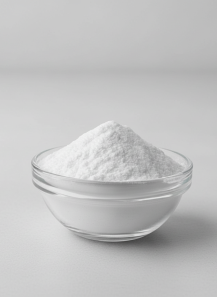
Product characteristics: White to off-white powder
Solubility: Water-dispersible and water-soluble after proper hydration. Dissolve first, then evaluate transparency in the final surfactant base.
Storage: Store tightly closed in a dry area away from direct light and moisture.
| Test Name | Specification |
|---|---|
| Viscosity mpa.s (25°C, 2% solution) | 300-500 |
| PH value (25°C, 2% solution) | 5.0-7.0 |
| Loss on drying (105°C 2h%) | ≤8 |
| Transmittance (%) | ≥80 |
No products
Extra-clear Polyquaternium-10 grade for transparent surfactant systems, providing conditioning and mild viscosity build with better finished-formula clarity than the standard 400 mPa.s grade in many systems.
Suitable for silicone-free shampoo, facial cleanser, body wash, and other clear rinse-off formulas that need conditioning without sacrificing transparency.
Poly-Conditioner Pro (400 mPa.s Extra Clear) is a Polyquaternium-10 conditioning polymer selected for surfactant systems that need both conditioning deposition and a clearer finished appearance.
This grade is intended for transparent or translucent shampoo, facial cleanser, body wash, and other rinse-off systems where standard cationic cellulose can sometimes add haze. In practice, clarity still depends on the surfactant blend, electrolyte level, fragrance, pearlizer load, and final pH, but this variant is designed for better visual transparency with many common surfactant systems.
Use this grade when formulation clarity is part of the product concept. If transparency is not critical, Poly-Conditioner Pro (400 mPa.s) is usually the more economical alternative.
Related grade
For opaque or non-clear systems, the standard Poly-Conditioner Pro (400 mPa.s) can be used when a lower-cost option is preferred.
Product Description: As a cationic cellulose polymer, Polyquaternium-10 helps improve wet combing, slip, softness, and conditioned feel while also contributing some viscosity build and foam sensory improvement in surfactant systems.
The Extra Clear grade is especially useful when the finished product must remain visually transparent after polymer addition. It is typically considered for clear shampoo, clear conditioning shampoo, transparent body wash, mild facial cleanser, and other surfactant-based rinse-off formulas where both conditioning and clarity matter.
Best clarity is usually obtained by dissolving the polymer fully before combining with the main surfactant base, then checking compatibility after salt adjustment, fragrance addition, and pH correction. High electrolyte loading, opacifiers, heavy oils, or incompatible surfactant ratios can still reduce clarity, so bench testing remains necessary.
The 400 mPa.s viscosity grade gives a lighter rheology contribution than higher-viscosity Poly-Conditioner Pro grades, making it suitable when the formulator wants conditioning with controlled viscosity build rather than strong thickening from the polymer alone.
Usage: Suitable for clear shampoo, silicone-free shampoo, clear body wash, facial cleanser, micellar-like rinse-off cleanser, and other surfactant systems that need conditioning while keeping a transparent appearance.
Mixing method:
- Sprinkle the powder slowly into water under continuous agitation to avoid fisheyes and polymer lumps.
- Warm to around 60-65°C if needed to accelerate hydration, then mix until the solution becomes uniform.
- Pre-wetting with glycerin, propylene glycol, or methyl gluceth can help dispersion before addition to the main water/surfactant phase.
- Add to the surfactant system only after the polymer is well hydrated, then recheck clarity after salt, fragrance, and pH adjustment.
Usage rate: 0.1-5%
Typical use is around 0.1-0.5% for clear cleansing systems. Higher levels can be used when stronger conditioning or viscosity support is needed, but the final formula should always be checked for haze and salt response.
Product characteristics: White to off-white powder
Solubility: Water-dispersible and water-soluble after proper hydration. Dissolve first, then evaluate transparency in the final surfactant base.
Storage: Store tightly closed in a dry area away from direct light and moisture.
| Mechanism | - |
| Appearance | - |
| Longevity | - |
| Strength | - |
| Long-term storage | - |
| Shelf Life | - |
| Allergen(s) | - |
| Dosage (Range) | - |
| Recommended Dosage | - |
| Dosage (Per Day) | - |
| Recommended Dosage (Per Day) | - |
| Mix Method | - |
| Heat Resistance | - |
| Stable in pH range | - |
| Solubility | - |
| Product Types | - |
| INCI | - |