


Oxidation-stable vitamin E acetate for cosmetic oil phases, emulsions, balms, makeup, and sun-care support formulas; typical use around 0.1-2%.
Vitamin E (Tocopheryl Acetate, Colorless) is the acetate ester form of vitamin E supplied as a colorless to very pale yellow oil-soluble cosmetic liquid.
Compared with free tocopherol, tocopheryl acetate is typically selected when formulators want better oxidation stability during storage and processing while still positioning the formula around vitamin E and skin-conditioning support.
After topical application the ester can be hydrolyzed by skin esterases to tocopherol, so practical performance depends on conversion after application as well as the finished-system design. In formulation work it is mainly valued for lipid-phase compatibility, color control, and antioxidant support for oils and emollient-rich systems.
Product Description: This cosmetic-grade tocopheryl acetate is suited to emulsions, anhydrous oils, balms, sticks, makeup, and sun-care support formulas where a more storage-robust vitamin E derivative is preferred over free tocopherol. In finished products it can help support oxidation-sensitive oils and improve long-term formula handling, but it should not be positioned as a preservative replacement. Because the material is strongly lipophilic, it performs best when added into an oil phase or an emollient-rich carrier system. Once incorporated into emulsions or oil systems it is generally compatible with common cosmetic pH ranges, but prolonged unnecessary high-temperature holding and excessive exposure to air or light should still be avoided during processing.
Usage: Creams, lotions, facial oils, oil serums, balms, sticks, makeup products, and sun-care support formulas.
Mixing method:
- Add to the oil phase before emulsification, or add during cool-down after emulsification when the batch is uniform and below about 40°C to 45°C.
- In anhydrous oils, balms, and sticks, dissolve directly into the lipid blend and avoid prolonged overheating that is not needed for melting or homogenization.
- Protect the raw material and the intermediate batch from excessive light and unnecessary air exposure during bulk handling and storage.
Usage rate: Typical use level is about 0.1-2%. Lower levels around 0.1-0.3% are commonly used for antioxidant support of oils and emollient systems, while roughly 0.5-2% is more common when the formula is positioned more clearly around skin-conditioning or vitamin E support.
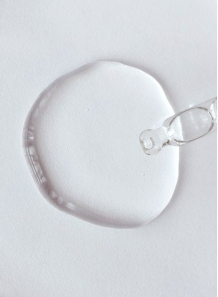
Product characteristics: Clear/colorless to very pale yellow viscous oily liquid; mild characteristic odor.
Solubility: Soluble in oils, fats, and many lipophilic emollients; may dissolve in ethanol and selected cosmetic solvents; not water-soluble.
Oxidation-stable vitamin E acetate for cosmetic oil phases, emulsions, balms, makeup, and sun-care support formulas; typical use around 0.1-2%.
Vitamin E (Tocopheryl Acetate, Colorless) is the acetate ester form of vitamin E supplied as a colorless to very pale yellow oil-soluble cosmetic liquid.
Compared with free tocopherol, tocopheryl acetate is typically selected when formulators want better oxidation stability during storage and processing while still positioning the formula around vitamin E and skin-conditioning support.
After topical application the ester can be hydrolyzed by skin esterases to tocopherol, so practical performance depends on conversion after application as well as the finished-system design. In formulation work it is mainly valued for lipid-phase compatibility, color control, and antioxidant support for oils and emollient-rich systems.
Product Description: This cosmetic-grade tocopheryl acetate is suited to emulsions, anhydrous oils, balms, sticks, makeup, and sun-care support formulas where a more storage-robust vitamin E derivative is preferred over free tocopherol. In finished products it can help support oxidation-sensitive oils and improve long-term formula handling, but it should not be positioned as a preservative replacement. Because the material is strongly lipophilic, it performs best when added into an oil phase or an emollient-rich carrier system. Once incorporated into emulsions or oil systems it is generally compatible with common cosmetic pH ranges, but prolonged unnecessary high-temperature holding and excessive exposure to air or light should still be avoided during processing.
Usage: Creams, lotions, facial oils, oil serums, balms, sticks, makeup products, and sun-care support formulas.
Mixing method:
- Add to the oil phase before emulsification, or add during cool-down after emulsification when the batch is uniform and below about 40°C to 45°C.
- In anhydrous oils, balms, and sticks, dissolve directly into the lipid blend and avoid prolonged overheating that is not needed for melting or homogenization.
- Protect the raw material and the intermediate batch from excessive light and unnecessary air exposure during bulk handling and storage.
Usage rate: Typical use level is about 0.1-2%. Lower levels around 0.1-0.3% are commonly used for antioxidant support of oils and emollient systems, while roughly 0.5-2% is more common when the formula is positioned more clearly around skin-conditioning or vitamin E support.
Product characteristics: Clear/colorless to very pale yellow viscous oily liquid; mild characteristic odor.
Solubility: Soluble in oils, fats, and many lipophilic emollients; may dissolve in ethanol and selected cosmetic solvents; not water-soluble.
| Mechanism | - |
| Appearance | - |
| Longevity | - |
| Strength | - |
| Storage | - |
| Shelf Life | - |
| Allergen(s) | - |
| Dosage (Range) | - |
| Recommended Dosage | - |
| Dosage (Per Day) | - |
| Recommended Dosage (Per Day) | - |
| Mix Method | - |
| Heat Resistance | - |
| Stable in pH range | - |
| Solubility | - |
| Product Types | - |
| INCI | - |